

“DOING WHAT YOU LOVE AND FEELING NEEDED”: MEET THE 5,000TH VENUE OF THE GEOGRAPHICAL DICTATION
10.11.2026
The Russian Geographical Society’s international educational campaign has reached the 5,000-venue mark. The geography of the Dictation continues to expand every day, drawing in new and unique locations around the world. The milestone spot went to “Teplitsa.Berezhno” in Rostov-on-Don — a space that helps children and teenagers with special needs learn crafts, prepare for work, and live independently. Here, together with local historians, they explore the city, draw historic mansions, and create walking tours. On 22 November the project’s participants, their families, and anyone else who wants to test their knowledge of Russia are welcome.
“Teplitsa” brings together a café, creative and craft workshops, exhibition spaces, a lecture hall, and a cinema. With the support of mentors, the young people try different activities, gain skills, and prepare for supported employment. Behind this work lies a conviction that, according to Tatiana Stepanova, head of Teplitsa LLC, was the starting point of the whole project:
“Every person has the right to live an ordinary life, do what they love, and feel needed!”
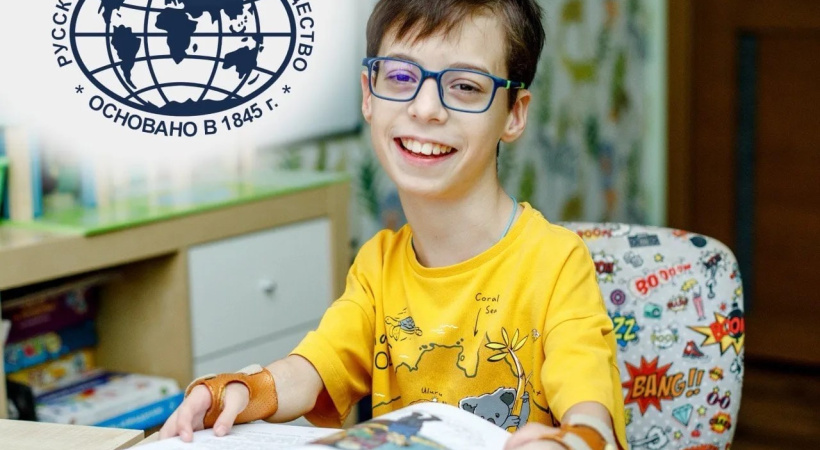
One of the participants in Teplitsa’s cultural events and workshops is Vanya Bessalykh. For three seasons he has been hosting the programme “Habitual Environment” on the Don 24 TV channel, asking experts the questions that children from across the region send him. At the Dictation venue the team wants to encourage this curiosity — giving young people with special needs the chance to test themselves alongside everyone else.
img_8899.jpg
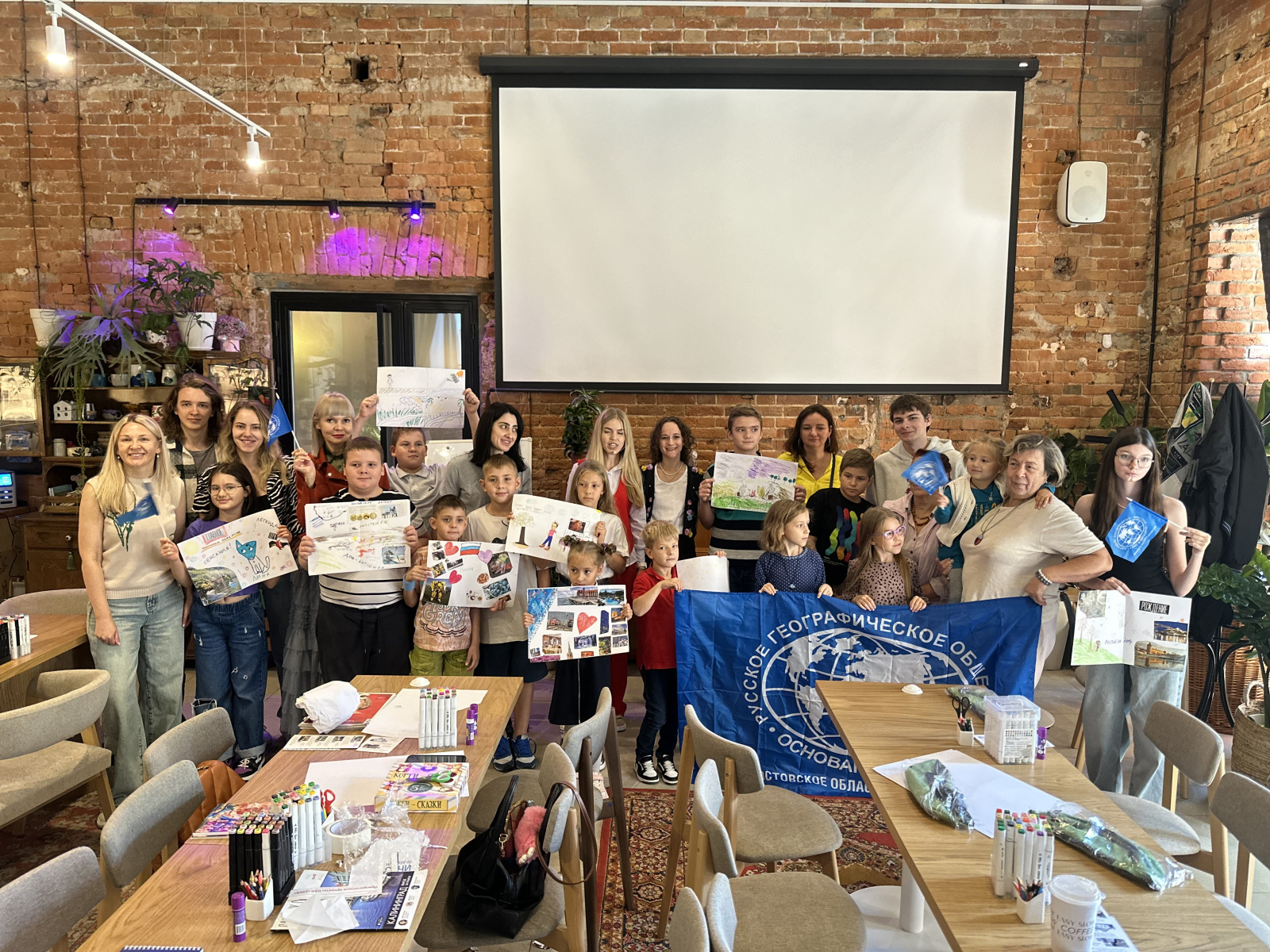
The project’s philosophy is “do what you love and feel needed.”
One shared passion is exploring Rostov. Workshop participants go out for plein-air sessions, sketch old buildings, and learn from local historians about the people who shaped the city’s look. In time the idea arose to share these discoveries with others. This is how the “Art Trail” was born — a route that runs from Nakhichevan through the central streets and the Bogatyanovsky Descent to the observation deck on Sedov Street.
The booklet features 11 sights, including Theatre Square, the Martyn Brothers’ House, Pokrovsky Square, and the Paramonov Warehouses. Drawings by the workshop participants appear alongside archival and modern photographs, while QR codes open audio recordings about the history of each place. The route and the guided tour are free.
Interest in the local area also links Teplitsa with the Russian Geographical Society. Cooperation with its Rostov branch has been going on for three years: together they produce the calendars “Through the Pages of the Red Book” and have created a children’s interactive Red Book of the Don Region. The team also gives “fun geography” lessons in schools and children’s homes in remote districts. That is why, as Tatiana Stepanova says, the decision to host a Dictation venue came naturally.
img_8854.jpg
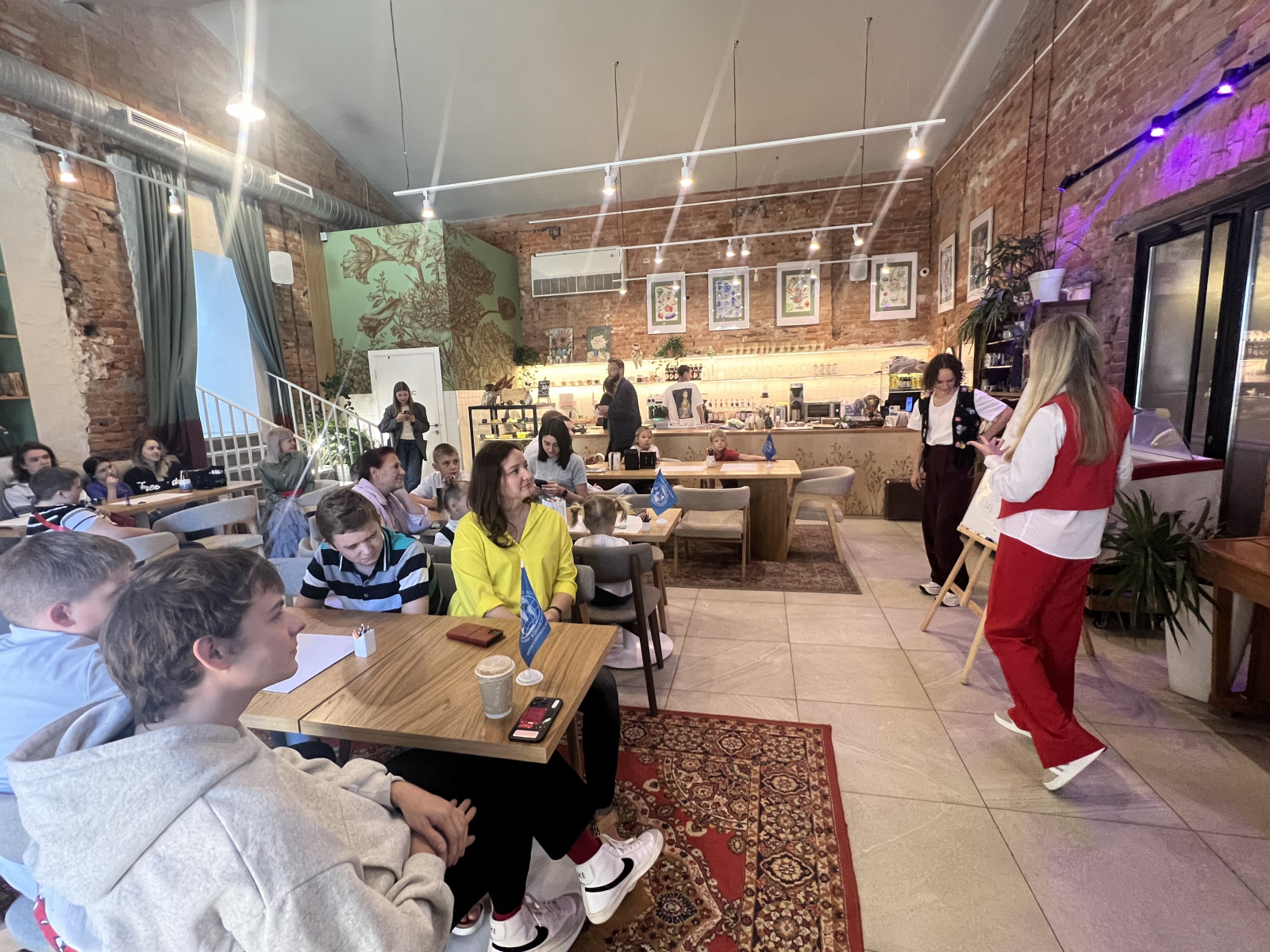
"Teplitsa" brings together a café, arts and crafts workshops, exhibition space, a lecture hall, and a cinema.
Teplitsa invites its own participants, their families, and other city residents to take the Geographical Dictation. The venue can accommodate 30 people and is accessible for wheelchair users.
Teplitsa has chosen a family-friendly format. It is important that children of different ages can feel comfortable and confident. Before the main tasks, guests will be offered an animated quiz about the nature and culture of the Don Region. The questions will be asked by Winch, the hero of the “Neurons” cartoon series. The quiz was created by the Rostov regional branch of the RGS and the animation studio ChildGoodAnimation.
The same warm-up was held in 2025. According to the organisers, both children and adults enjoyed it and it helped reduce anxiety before the tasks.
“The Dictation stops feeling like an exam where a child is afraid of making a mistake and becomes an interesting activity with a favourite character,” explains Tatiana Stepanova.
img_8902.jpg
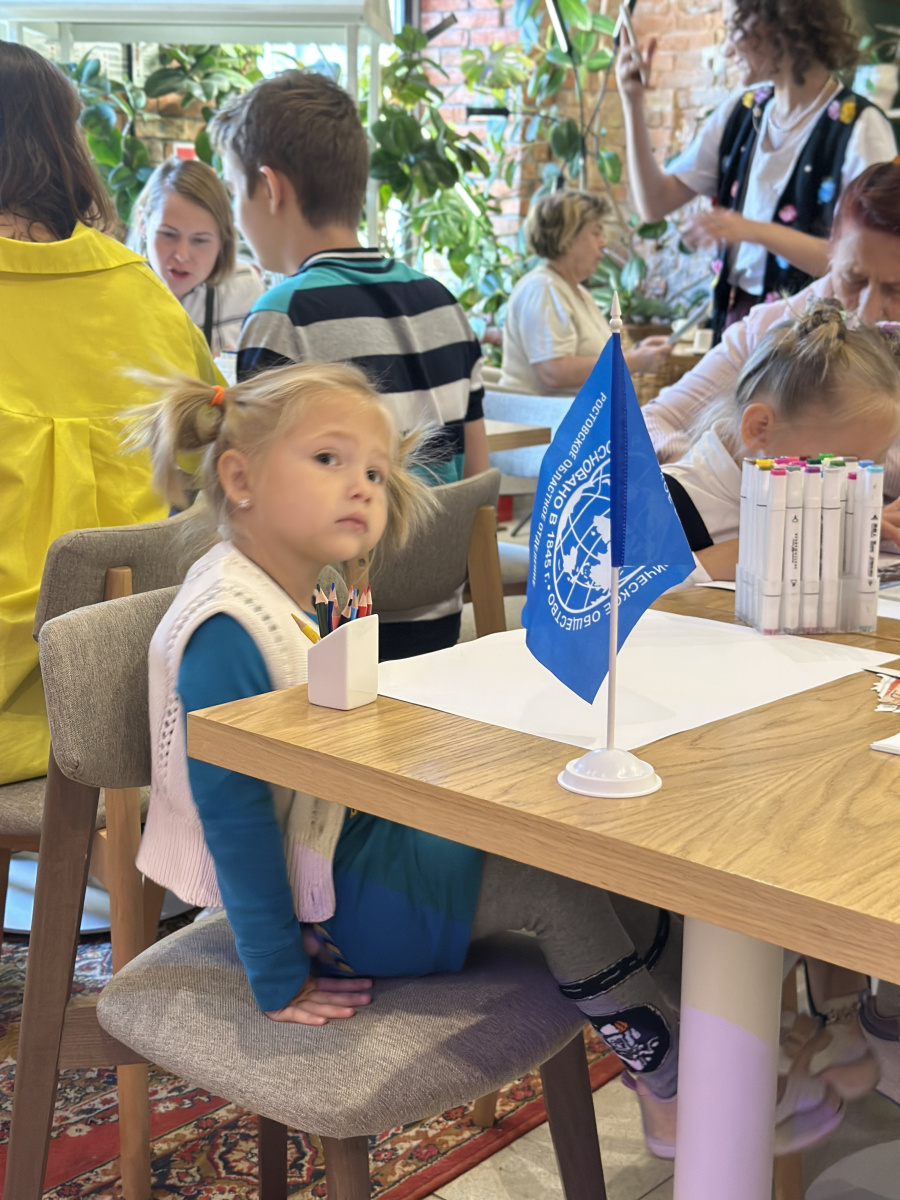
At "Teplitsa", they chose a family format for taking part in the Russian Geographical Society campaign
It is still possible to organise your own Dictation venue: registration continues until 13 November inclusive. Applications are accepted through the organiser’s personal account.
Among those who have already joined the campaign are museums, scientific institutions, nature reserves, and cultural spaces. The Dictation will take place at the “Old Lighthouse” in Zalivino, Kaliningrad Region; at exploration well R-2 in the Yamalo-Nenets Autonomous Okrug; and in Denisova Cave in Altai Krai.
Participants will also be welcomed at the St Petersburg Oceanarium, the Sukhotino ethno-archaeological park in Transbaikalia, and the Karadag Scientific Station named after T.I. Vyazemsky in Crimea. It will also be possible to take the Dictation at the Norilsk Polar Drama Theatre named after Vl. Mayakovsky and at the Zavidovo river terminal in Tver Region.
One of the registered venues is still on its way. This is the yacht “Maola”, whose crew plans to arrive in Cape Verde by 22 November. The island nation will be joining the Russian Geographical Society’s large-scale campaign for the first time.
The Geographical Dictation 2026 will take place on 22 November. You can choose a venue and find out the conditions for participation in the “Geography of the Dictation” section.
